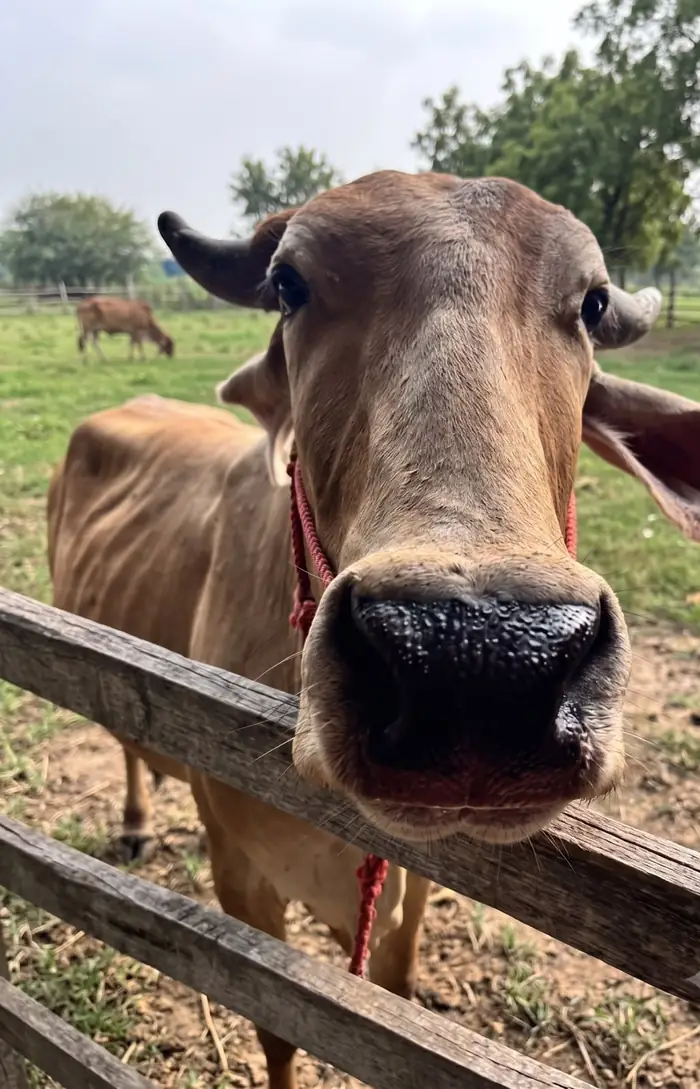
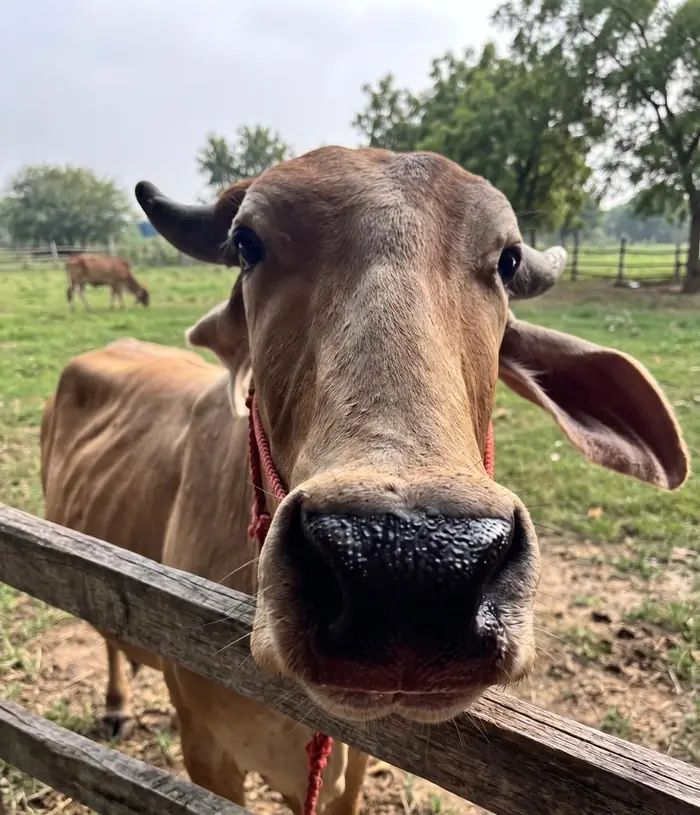
Waking up to cattle bells and birds before sunrise?

Do you remember your village?
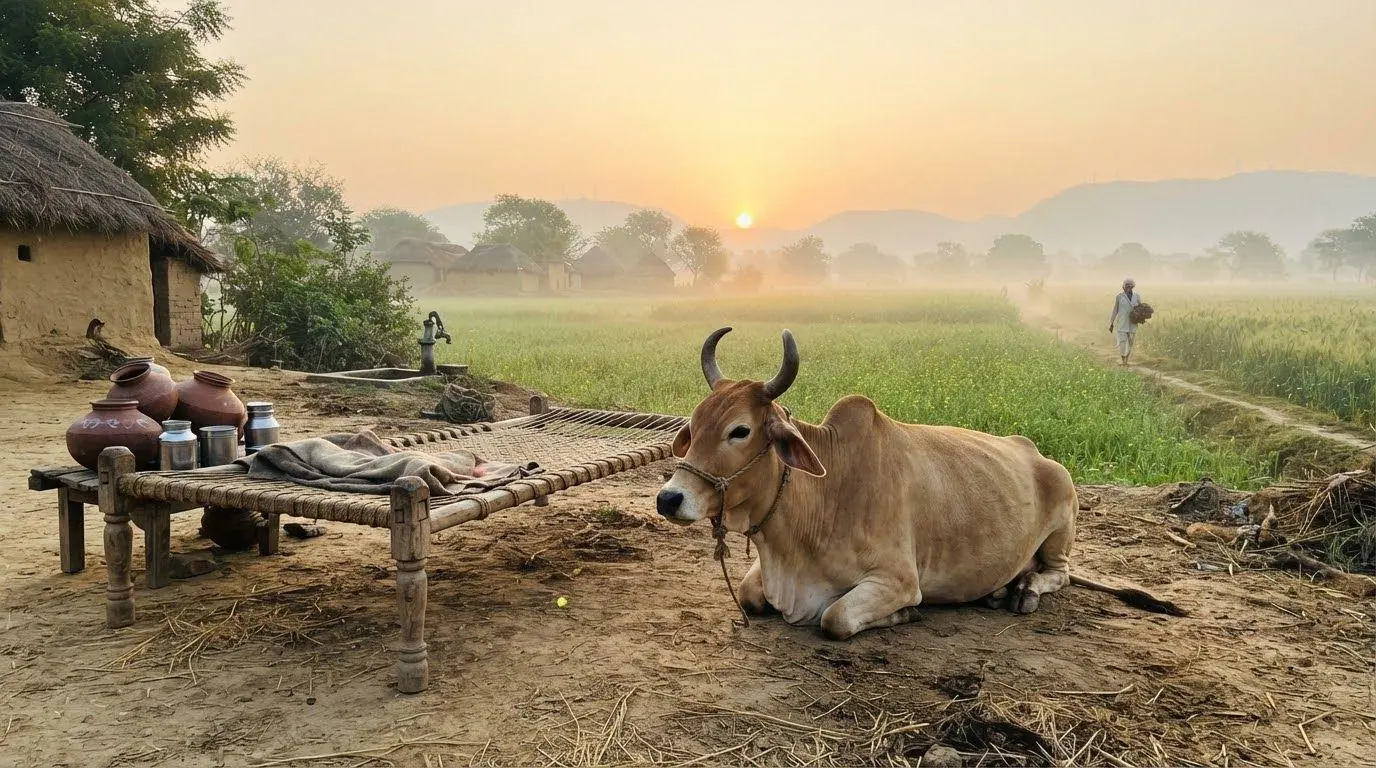
“Some things from our village leave our lives, but they should never leave our memory.”
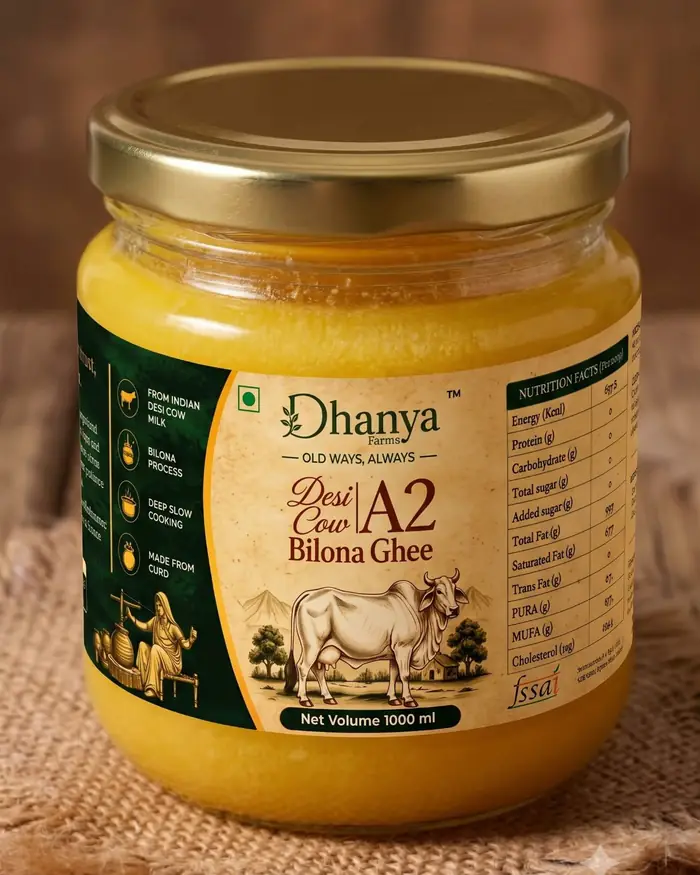 Desi Cow Bilona Ghee
See our stories on Instagram. Here we upload the whole processing of our ghee and our village culture.
@dhanya.farmsWaking up to cattle bells and birds before sunrise?
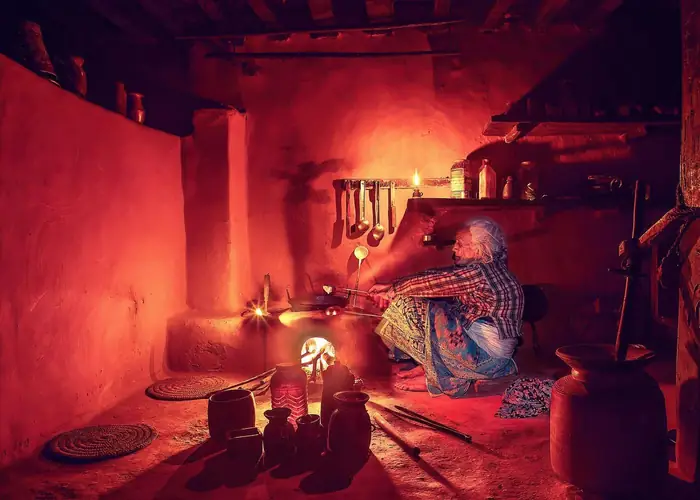
Hot chulhe ki roti and the smell of wood smoke and wet mitti?
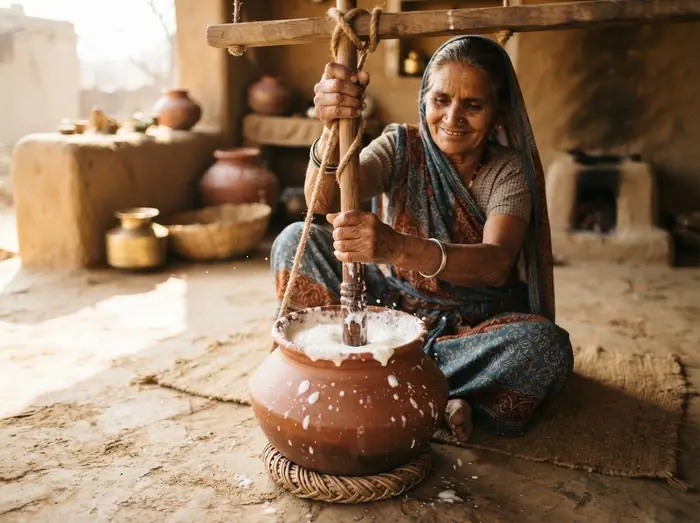
Thick, frothy chhaas churned just moments ago?
Dadi's unapologetic spoon of ghee over your warm thali?
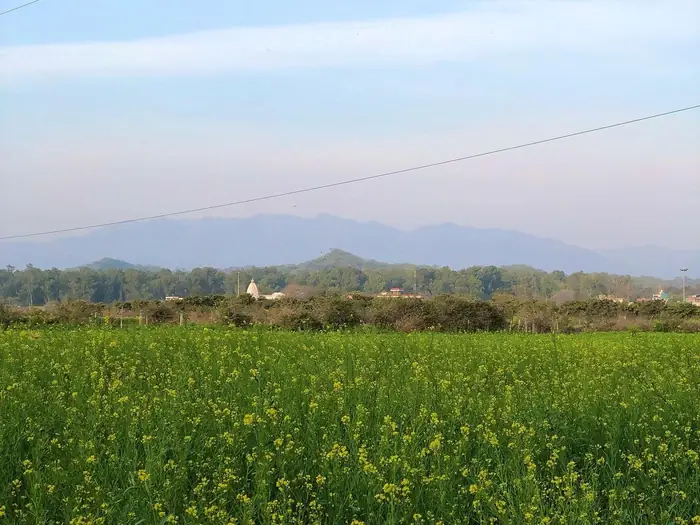
A khaat under the neem, sarson fields, and nowhere to be?
Maybe it wasn’t just time. Maybe it was where you spent it.
We moved to cities. We got busy. Kitchens became faster, aisles became endless, and life became louder. Yet some things never fade — fresh curd, the rumble of the wooden churner at dawn, and the golden aroma of desi ghee filling every room.
We began with a simple thought: what if a jar of ghee could do more than sit in a pantry? What if its fragrance could take you somewhere — back home, back to your village, back to the way food was meant to nourish us.
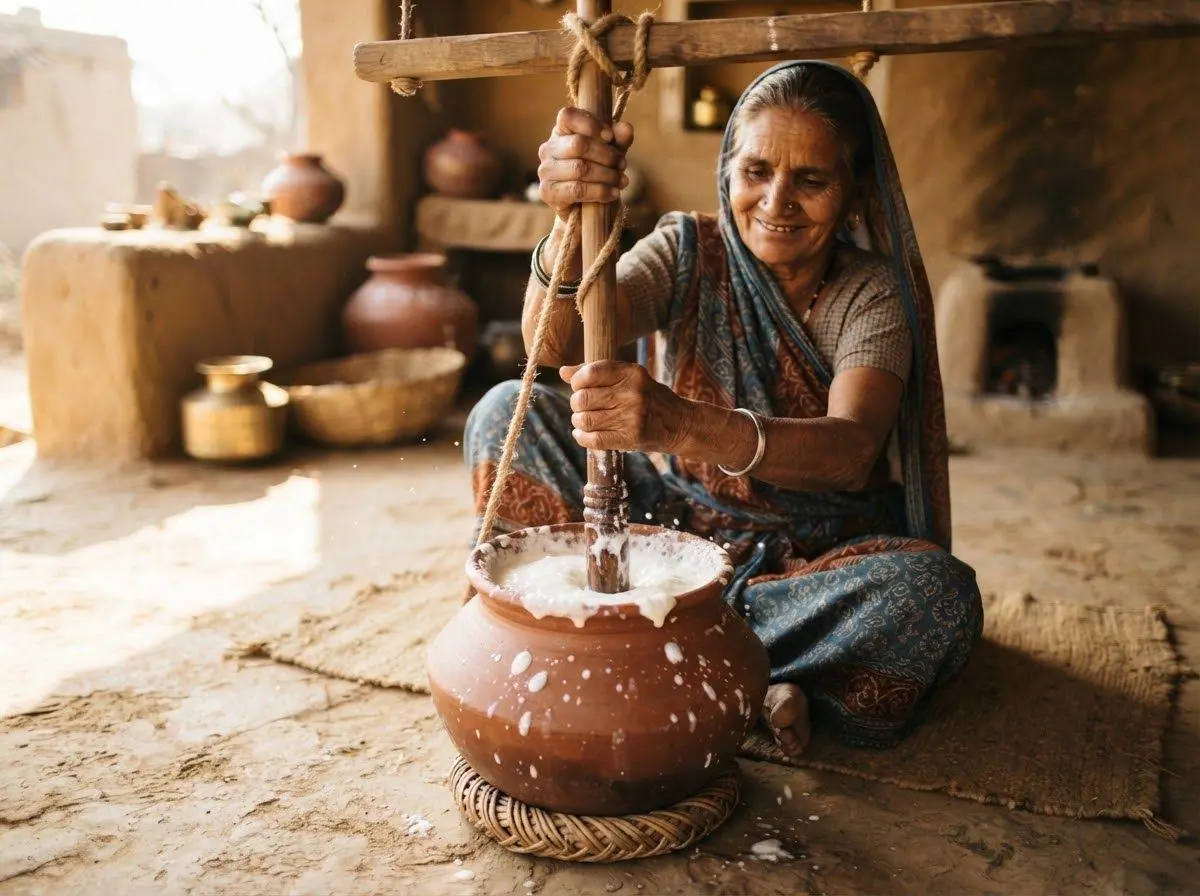
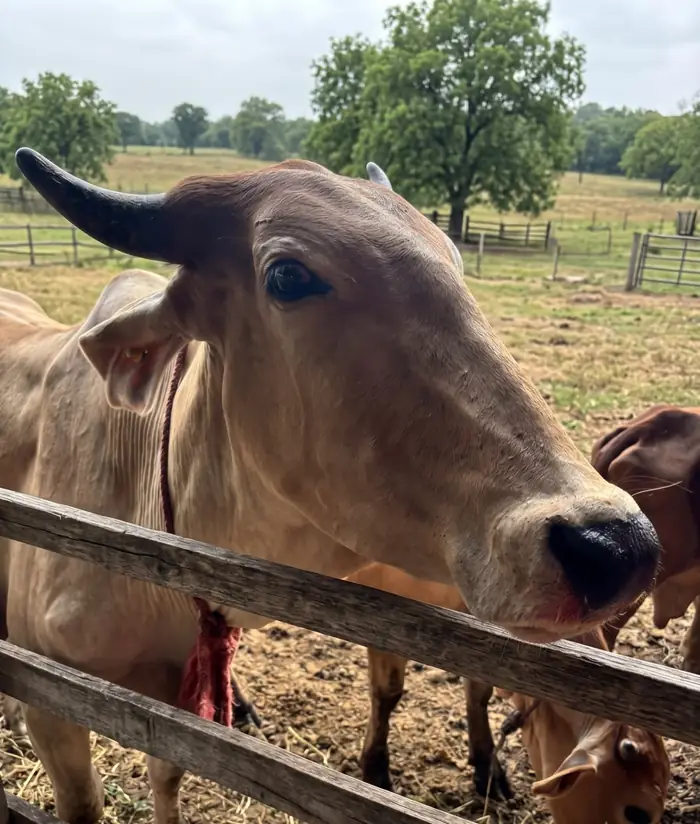
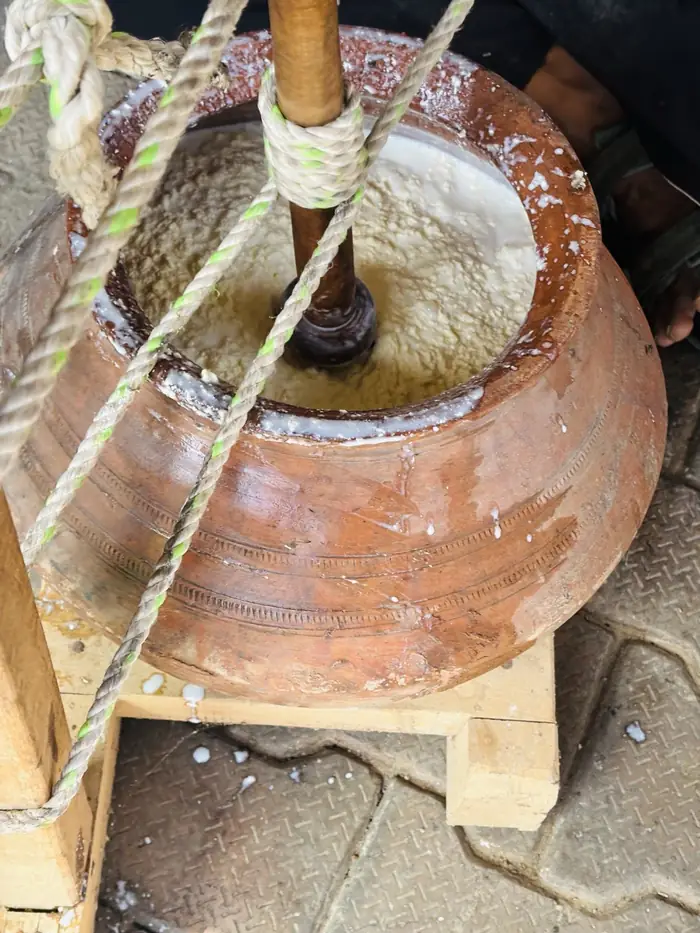
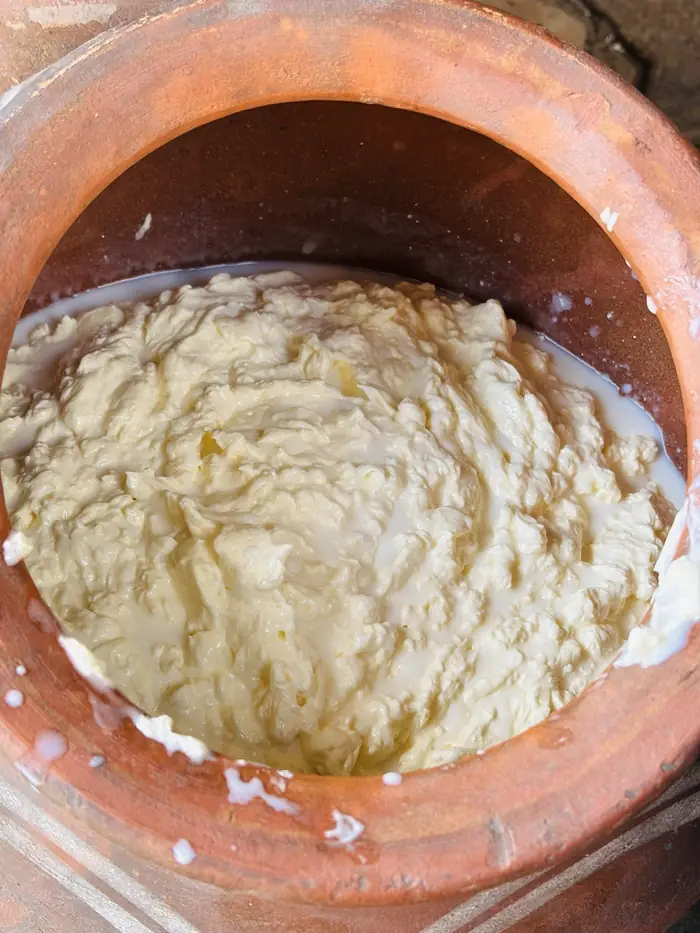
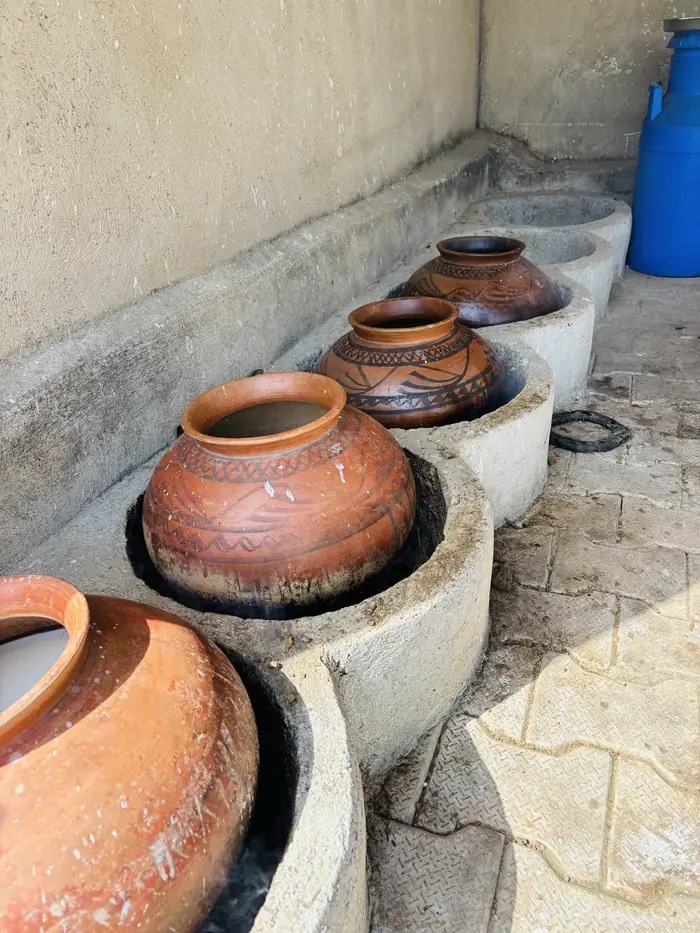
Curd churned in a clay matka, makkhan rising, ghee slow-cooking on the fire. This is how every jar of Dhanya bilona ghee begins.
Watch on InstagramSmall batches, from desi cow milk set into curd, hand-churned and slow-cooked until the golden grains settle.
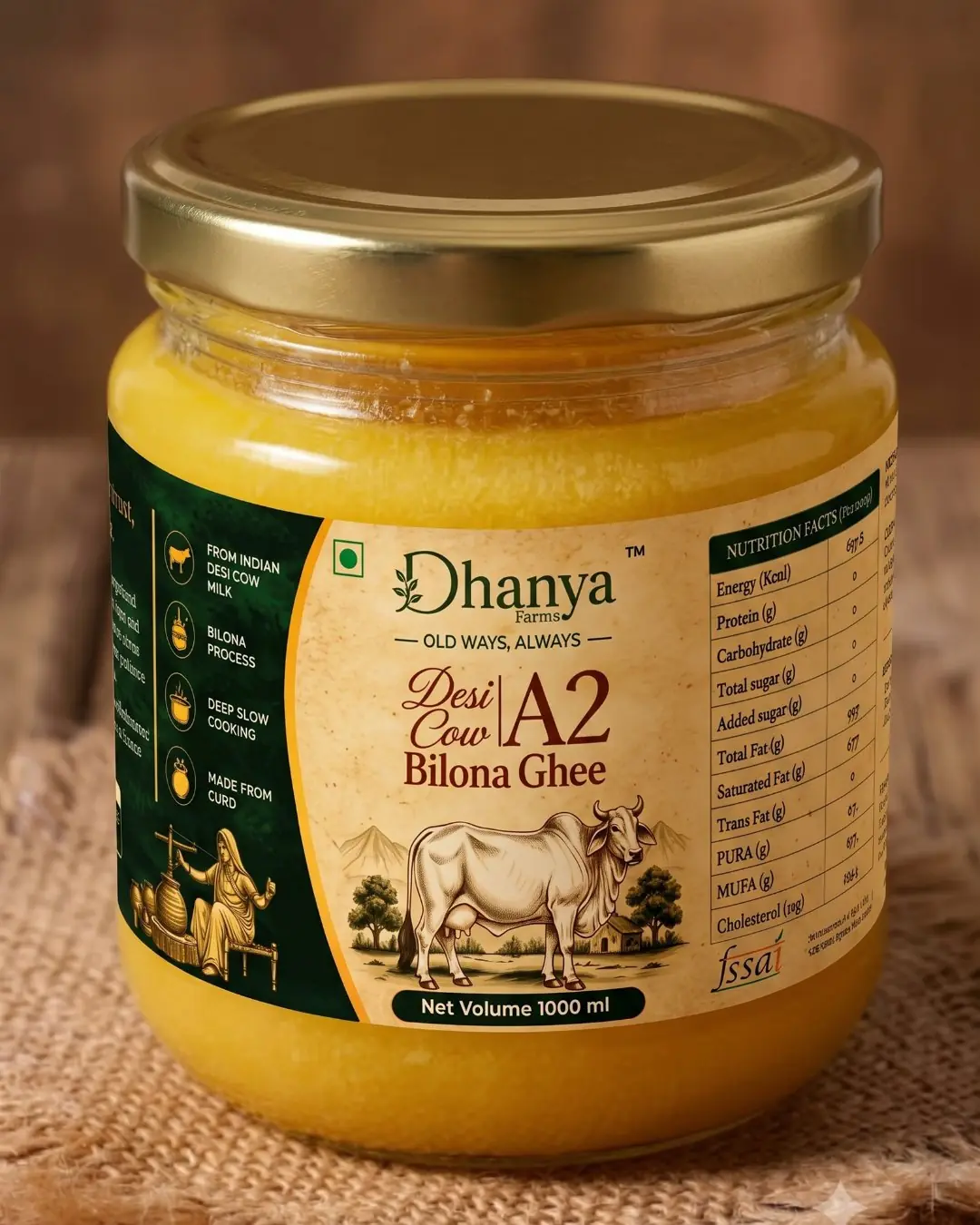
Golden, naturally aromatic and wholesome. Made the whole-curd way — milk set into dahi, hand-churned into makkhan, then slow-cooked until the golden grains settle.
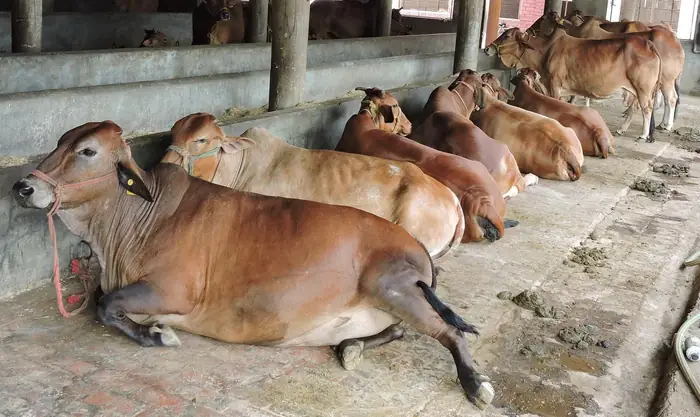
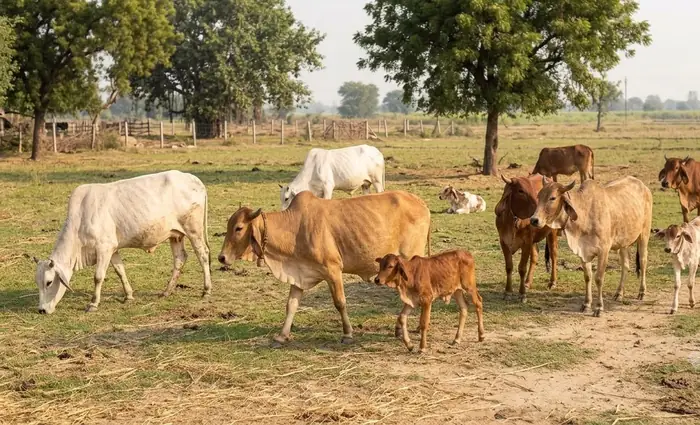
Indigenous, grass-fed Indian cows.
Curd hand-churned both ways.
Patiently simmered on low flame.
Never directly from cream.
We use milk only from Indian desi cows. That milk from desi cows contains A2 protein, but pure ghee is almost entirely milk fat — the proteins and milk sugars are separated during slow cooking. So we won't sell you buzzwords. What you get is clean, traditional, bilona-made butterfat, exactly the way it was made at home.
Our Desi Cow Bilona Ghee has been tested in a food testing lab. We share the full report openly, so you can check what goes into your kitchen.
 Scan to check our ghee
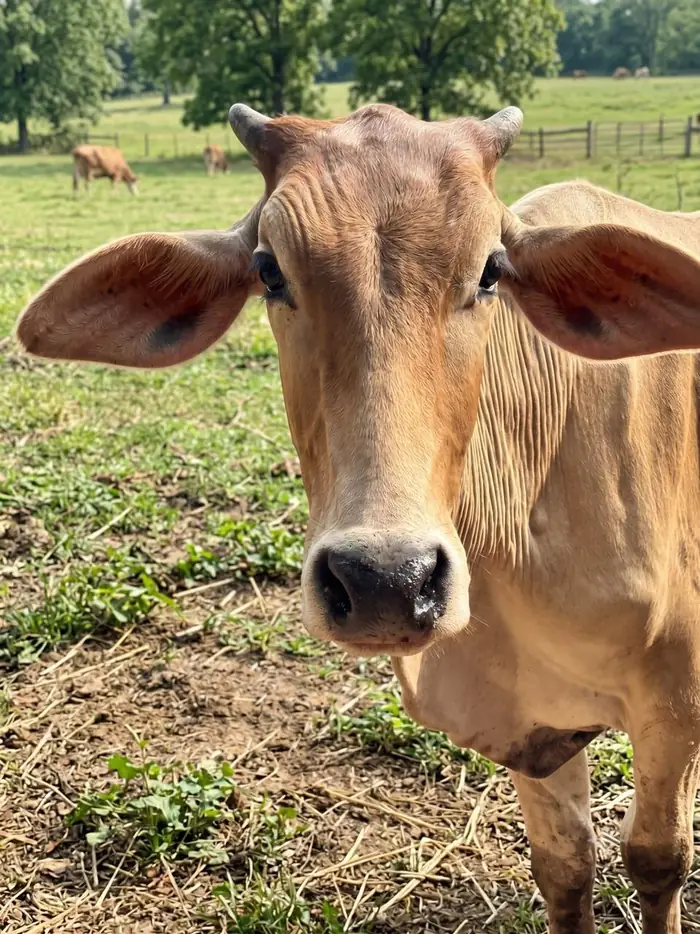
Our indigenous cows graze freely and are cared for like family. Milking happens only after the calf has had its share.
Calf first. Always.Fresh milk is brought slowly to a boil over a low flame — no rushed industrial flash-heating.
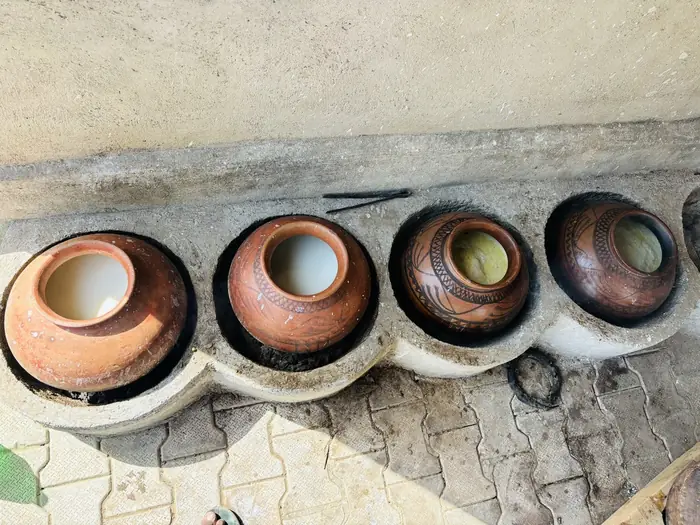
Low flame, lots of patience.The milk cools naturally and is set overnight with a curd culture in earthen pots, into thick dahi.
The key: ghee from dahi, not cream.At dawn the dahi is churned with a wooden mathani and rope — back and forth — until white makkhan rises.
Chhaas separates. Nothing wasted.The makkhan is simmered on a gentle fire. Water evaporates, solids turn nut-brown, and liquid gold appears.
This is where the danedaar grain is born.Filtered through fine cloth, cooled naturally, and hand-poured into glass jars.
Sealed, labelled, sent home to you.Some things are worth doing slowly. We grow at the pace our process allows.
for roughly one litre of bilona ghee.
Clockwise, anti-clockwise — the bilona rhythm.
From the cow to your jar, nothing skipped.
No cream separators. No preservatives.
Not thousands of jars a day. Small, closely watched kadhais where aroma and heat are judged by human senses.
No cream separation, no preservatives. Every step our grandparents did — without shortcuts.
Rooted in the villages of Rajasthan and Haryana, where cows roam, graze and are treated as family.
No wild wellness promises, no flash sales. We'd rather let the aroma speak the moment you open the jar.
Notes from families who brought Dhanya to their table.
“The aroma is literally fantastic, aur ye ghee use karne se sabhi dishes ka taste bahut enhance ho gaya. Really loved the ghee from Dhanya Farms!”
“Garam dal pe ghee add karte hi my father looked at me and smiled. He loved this ghee and even thanked me for ordering it.”
“It didn't feel like something ordered online. Aisa laga jaise kisi apne ne hamare ghar bhijwaya ho, straight from the village. Now we are your regular customers ji. Thank you Dhanya Farms!”
Every jar we send is a small letter home. Share yours with us on Instagram @dhanya.farms
About our process, storage and sourcing.
No anonymous carts, no algorithms. You talk to us directly.
Message us to reserve a jar, ask about the next batch, or check delivery to your city.
Fill this in and it opens WhatsApp with your message ready — just hit send.
“Some things should never become fast. Somewhere between the village we left and the life we built, some things still belong to us.”